

Episode 9s flaws show it for what it is – the end of a period of cinema with capital at its heart
*Spoilers ahead*
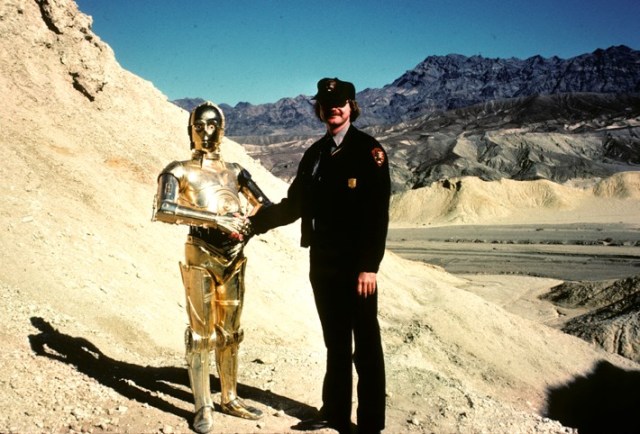
As the credits rolled on the Rise of Skywalker, I felt something unexpected: hope. Not because I was moved by the narrative or excited about the future of the franchise. I was hopeful because I was dissatisfied.
Star Wars Episode 9 is fine – quite fun, even. But it wasn’t good. It wasn’t fulfilling and it didn’t satisfy me. Judging by the disappointing (though still gratuitous) box office haul and lukewarm reception, I am not the only one. For Star Wars, the biggest franchise of them all, lose its shine is a sign the ecosystem of Late Capitalist Cultural Production is changing.
Coming out in 1977, Star Wars is heralded as ending an era of dark, complex Hollywood drama, replacing it with light, spectacular entertainment driven by special effects technology. Star Wars was tied up with Postmodernism – a pastiche of Westerns, Space Opera and Mythology, it shares postmoderns’ disregard for seriousness, and adopted it’s fascination with the Image through vivid iconography and visual splendor. As postmodernism dismissed religious or ideological narratives, Star Wars created new mythologies based in The Hero’s Journey that reached out to the heroic potential of the individual. It was not interested in illuminating the social or meditating on the painful: when Uncle Owen dies, our brave hero does not spend weeks organising his funeral and navigating the Tatooine’s inheritance tax laws; he moves on, as we must, to the spectacle. Even before the prequels, Frederic Jameson identified Star Wars as a “nostaliga film”: a chance for parents to satisfy their longing for the lost Western genre. The sequel trilogy kept itself going by cannibalising franchise iconography. Feeling bored? Here’s Han! Need a jolt? Look, it’s Luke’s X wing! Want to go home? Look at the Moisture Farm! LOOK AT IT!!!
So too did the series dovetail with Reaganite hypercapitalism. The euphoria of the cinematic experience was maintained in off-years through one of the most effective marketing vehicles ever seen. Those hooked on the ersatz spirituality of the films could maintain their devotions through the consumption of collectables, or – as Mark Fisher suggests – “what was being sold was not just a particular film, but a whole world, a fictional system which could be added to forever” through spin offs, books, tie-ins and – crucially – toys.
Born in 1996, I was the perfect lab-rat for the second generation of Star Wars marketing. I was a Prequel kid through and through: I had the lego, played Star Wars Battlefront 2, and ran around the local park with bits of dowel painted to look like lightsabers. Star Wars was as large a part of my upbringing as Christmas. Star Wars was culturally massive – everyone liked it. Star Wars was our collective belief, our shared identity, and we were zealots to a franchise that cynically farmed our parents for cash. As an adult, I feel the pull toward the warmth of Star Wars – the Sequel trilogy remain the only films I have seen in the cinema by myself. But the Rise of Skywalker was so dull, so inert, that it may well have cured me of the whole brand.
The tension was weak, the arcs were hammy (bad even for Star Wars), the dialogue was functional, the effects were alright, the stakes were forced and the emotional resonance, for the most part, miles away. But most of all, the whole thing just felt deeply pointless.
J.J Abrams uses a filmmaking technique called the Mystery Box – one intriguing mystery leads to another, to another, on and on. You are captivated until the final box is opened, revealing… nothing. All that build up, all the suspended plot points, all for… The Emperor coming back? More Star Destroyers? A shot of some Ewoks? Viewers of Lost will understand that the “Mystery Box” is the financial capitalism of storytelling – the filmmakers loan you a narrative, creating spectacle and inviting wild speculation with the promise of fulfillment later on. But, when you reach the end, you find there was nothing; the speculation was the drama, the debt cannot be fulfilled, the audience are impoverished. They realise they have wasted emotional labour and time on a project that has no lasting artistic benefit.
For this reason, I really liked the Last Jedi: here was a film that understood its place in the collective unconscious. It knew that, for my generation, nostalgia was the primary source of authority: Star Wars replaced God, Luke Skywalker replaced Jesus (John is probably Han Solo, and Paul/Saul maybe Chewie?). The Last Jedi knew it was working in the realm of Gospel, and invited Talmudic re-interpretations of canonic scripture. Were the Jedi wholly good? Can the heroic individual remain virtuous? The Last Jedi offered narrative surprises and challenged the series’ fundamental assumptions – icons could be broken, adventures could end in failure, recklessness had consequences and the image – the image – was to be used with caution. Is Luke’s terror at taking up the mantle of the hero not Rian Johnson’s terror at directing the hero of a sacred textural canon? Is the lesson not that The Image of The Hero has meaning only when it empowers collective action? Aren’t these quite modernist questions?
Ultimately, the film industry producing Star Wars could not contain this kind of dialectic. The religiosity created to sustain the franchise turned against itself. Legions of people, for whom Late Capitalism replaced meaning with franchise, denounced The Last Jedi as heresy. As in the Prequel Trilogy, Disney learned that revisionism and innovation were bad for business. Petrified of damaging their most valuable property, they relented and produced a predictable, by the numbers sequel that totted out the same characters and arcs that we know and love. Lucky us.
The results of these safe-bets, these committee-designed plots, the now annual milking of the Star Wars cow, is narrative desertification and consumer fatigue. Regardless of neoliberal hopes, man cannot live on Nostalgia alone, and the market is beginning to show this. The Terminator franchise has been in the doldrums for years; Alien, Bladerunner, Predator are all in serious decline. Within Star Wars, Solo received such a poor showing that anthology movies were hastily put on hold. The Skywalker Saga behemoth seemed like a mainstay, but even that has buckled.
The problem is that Neoliberalism pretends to give us what we want – essentially, more of what we already like. I am reminded of Mark Fishers words on paternalism. It has the ‘bad’ aspects of being patronising and controlling, but also the beneficial elements of education, the sharing of knowledge from a privileged group and consciousness raising. For Fisher, Paternalism can be described “in terms of the gift and the surprise. The best gifts are those we wouldn’t have choosen for ourselves – not because we would have overlooked or rejected them, but because we simply wouldn’t have thought of them.”
By contrast, “Neoliberal “choice” traps you in yourself, allowing you to select amongst minimally different versions of what you have already chosen; paternalism wagers on a different “you”, a you that does not yet exist.” With Star Wars Episode 9, we begin to break free, and see that neoliberalism cannot give us what we want.
The glaring exception is the continued success of the Marvel movies. What could epitomise neoliberal spectacle-by-committee more, or be more popular? The answer is not to wait for the Marvel films to be bad – rather, it is to raise our consciousness, to demand more from mass media. It is to locate our pain and wish it to be represented in art, rather than escaped with the spectacle and thrill of the Blockbuster Theme Park Ride. As we descend into Climate Breakdown and Disaster Nationalism, now more than ever we need to be challenged, surprised and threatened by art. Neoliberalism will try to keep us wrapped in a warm blanket of our own nostalgia as the world burns. We must awake.
 themuddy.water.blog