
*Spoilers Ahead*
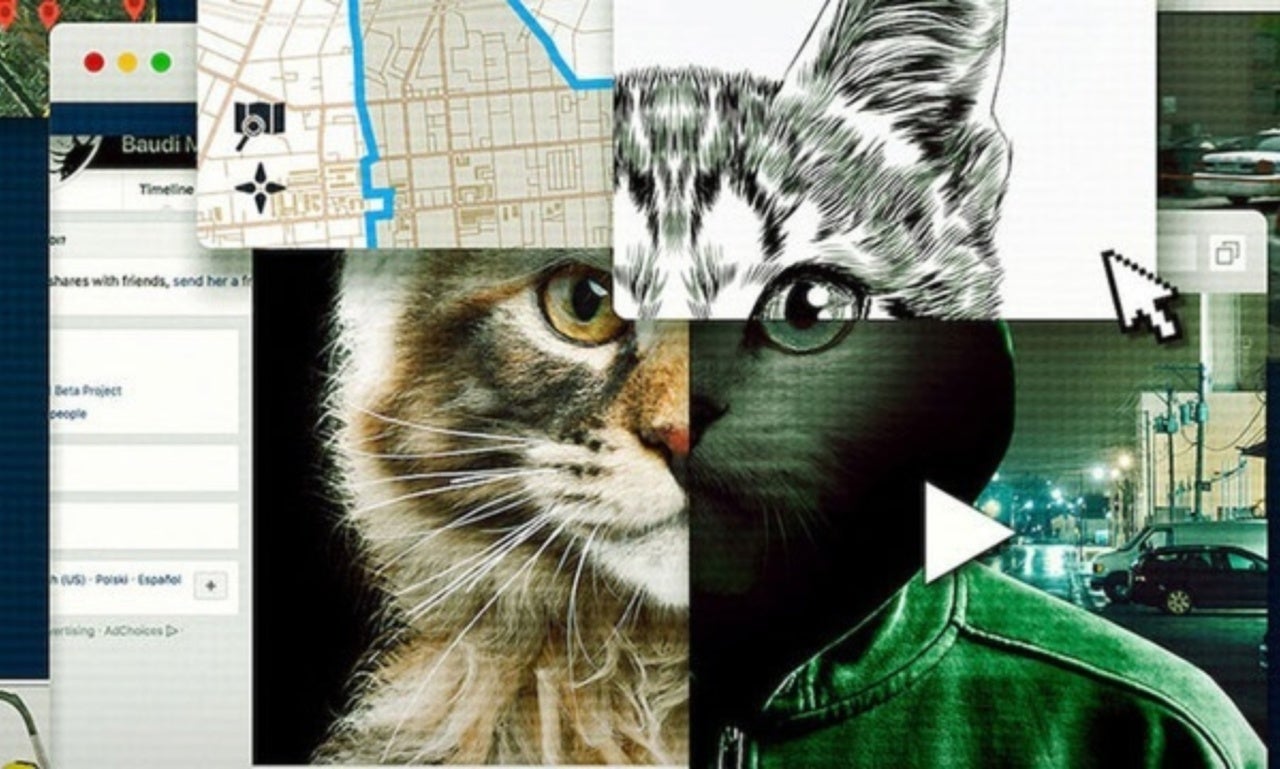
Don’t F*ck With Cats is a flash in the pan piece of algorithmically precise entertainment from the Netflix Content Factory.
It is a documentary of escalating tension about a group of people hunting down a man who kills cats in internet videos. The primary focus is a self-selected team of Facebook sleuths, their motivations and their tribulations.
Our amateur detectives fixate frequently on the fact their prime suspect seems to be obsessed with movies. His activity is filled with references to Hollywood Classics, particularly those about serial killers. The sleuths think they can piece together the man from the homage, putting together the clues he’s left in Facebook Likes, posters and posts to work out his next move.
The structure of the documentary rewards their reasoning – footage of our detectives recounting their theories is interspersed with correlating police reports of what the suspect actually did. The documentary includes some criticism of internet vigilantism – a man is driven to suicide, partially (so the documentary makes out) because the group mistook him for the cat killer – but their methodology is praised. Our takeaway is that this group were overzealous and obsessive, prone to aggression, but largely effective and systematic.
It is easy to forget the internet randos had absolutely no bearing on the police investigation. Nowhere in the police testimony are “Find the Kitten Vaccuumer… For Great Justice” (freaky name) mentioned at length. We can infer the cops saw the cat killer catchers for what they were: overenthusiastic loners with no discipline and cavernous holes in their method.
In reality, it was not just the kitten killer, but they, us, who understand the world through movies.
The group’s initial suspicions came from pop psychology – serial killers always start with animals. After the second cat video emerged, the group treated every detail as a cryptic clue; while praising the suspects’ intelligence and planning at every opportunity.
What informs their image of a psychopath? Movies! In their imagination, the suspect could be nothing less than cunning, devious, intimidatingly prepared, twisted and evil – John Doe, Hannibal Lecter and Patrick Bateman, rolled into one.
In the end, it appears their hypotheses were vindicated – Luka Magnotta was tried as a murderer, and the group’s mad dog vision of him was simply a chaser for the press to pick up. But we must remember the group self-motivated for months with no validation, no certainty they were on the right path. They were sustained by an imagined psychopath: they were fantasists. They were living a movie in which they were great detectives bringing greater justice to the greatest evil.
Netflix has ushered in a True Crime Boom. DFWC’s protagonists, active in the mid 2010s, hyper-online, attracted to detective-work – must be influenced by the zeitgeist: fascinated by true crime, living true crime. No wonder it was so easy to turn the story into a documentary – the people involved were already actors. Art imitates life, imitates art.
This reminds me of the reaction to the Coronovirus. Regardless of the actual threat to life, the story of the epidemic that will destroy humanity already exists in our collective imagination. It generates so much hysteria because this is a story we have always expected to happen. Reality is slotted into the beats of a narrative laid out in Contagion, Zombie movies, Pandemic II. The panic is totally disproportionate; and the main result has been a huge increase in racism.
 themuddy.water.blog